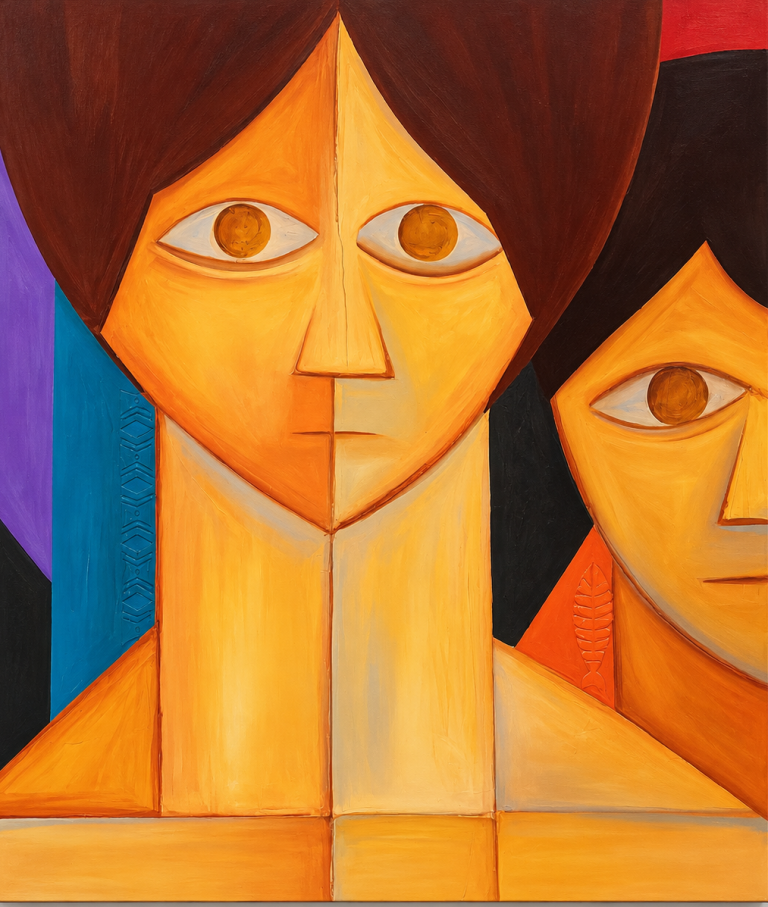
Coexistence
Year: 2026
Technique: Mista sobre tela
Dimensions: 100 × 80 cm


Born in Corumbá, in the Pantanal region of Mato Grosso do Sul, Brazil, he is a visual artist, educator, and researcher whose practice explores the visual and symbolic expressions of Brazilian identity. The landscape and cultural memory of his birthplace remain deeply embedded in his work, emerging through colour, silence, rhythm, and his distinctive way of observing the world.
His relationship with art originates in a need to listen and to remain attentive to what persists: memories, bodies, ancestral legacies, and cultures that endure even when silenced. Indigenous symbolism runs through his work not as ornament or folklore, but as a living force. The figure of the Bugre emerges as a symbolic presence, raising questions of belonging, identity, resistance, and permanence.
Within his practice, the body becomes territory. Rather than portraying specific individuals or presenting closed narratives, he works with states of being, presences, and layers of time. At other moments, this territory becomes a journey: lines, curves, and chromatic fields are arranged as sensitive maps through which the eye can travel without a predetermined destination.
Moving between the studio, education, and research, he understands art as a language, an ethical practice, and a continuous process of inquiry. His work does not seek ready-made answers, nor does it aim merely to produce decorative images. Instead, he creates spaces for contemplation, listening, and experience.
If something remains after an encounter with the work, a silence, a sense of unease, a memory, then art has fulfilled its purpose. It is within this space between the visible and the felt that he continues to shape both his artistic practice and his identity.
My artistic practice emerges from a continuous process of listening and remaining attentive to what endures. I do not begin with the idea of representation, but with presence. I paint states of being, crossings, and inner territories that become inscribed upon the body as memory, silence, and resistance.
My relationship with Indigenous symbolism, particularly with the figure of the Bugre, is not constructed as a folkloric reference or a fixed identity. I approach it as a living symbolic force, shaped by historical, cultural, and emotional tensions. The Bugre emerges as an ancestral presence that resists erasure, a trace of a culture that persists even when displaced, silenced, or fragmented.
In my work, the body is neither a character nor a narrative. It is a territory: a space where time settles and human experience accumulates in layers. The figures do not communicate linear stories; they embody states of existence. By reducing the face to its essential structure and restraining expressive gesture, I seek to shift attention away from individual identity and towards presence itself, inviting the viewer to remain with the work.
Formally, I approach painting as both construction and breath. Line organises, defines, and creates tension. Colour pulses, sustains, and opens space. Layers, transparencies, and interruptions are integral to my process because I understand human experience as something unresolved and continually evolving.
In my most recent works, brought together around the idea of new beginnings, painting takes on the character of a passage. These works speak of rupture, renewal, and continuity, not as a motivational statement, but as a profoundly human response to loss, change, and the necessity of moving forward.
My artistic research develops between the contemporary and the ancestral, the intimate and the collective. I do not seek to provide visual answers, but rather to create spaces for contemplation, presence, and reflection. I believe art is fully realised when it establishes a meaningful sensory experience with those who encounter it, when something remains after the gaze has moved away, even if what remains is only silence.
Year: 2026
Technique: Mista sobre tela
Dimensions: 100 × 80 cm
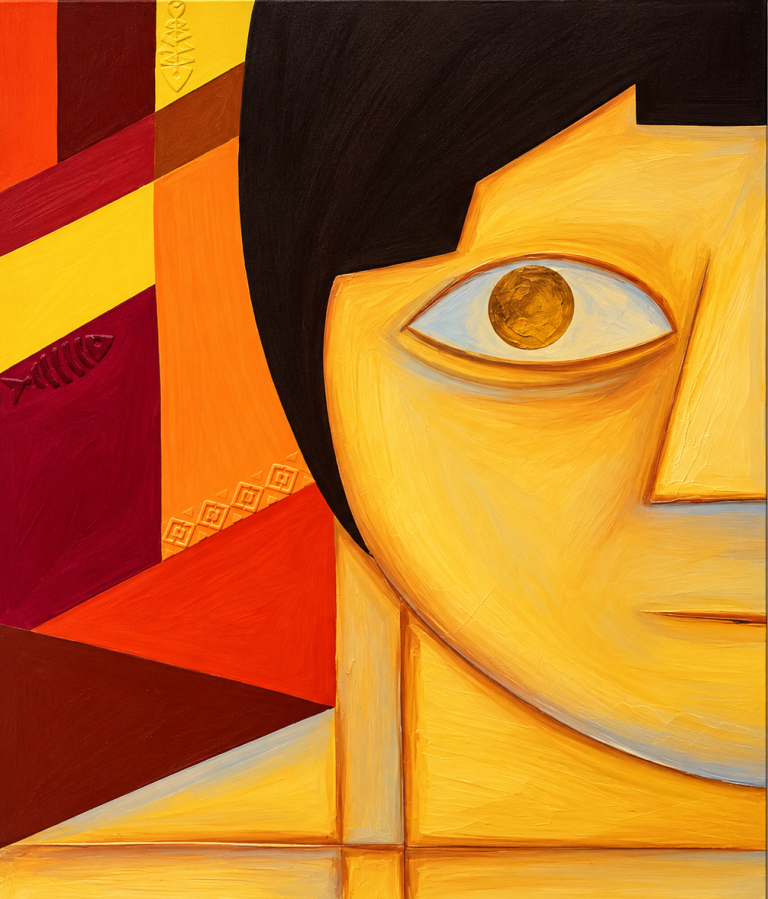
Year: 2026
Technique: Mista sobre tela
Dimensions: 100 × 80 cm
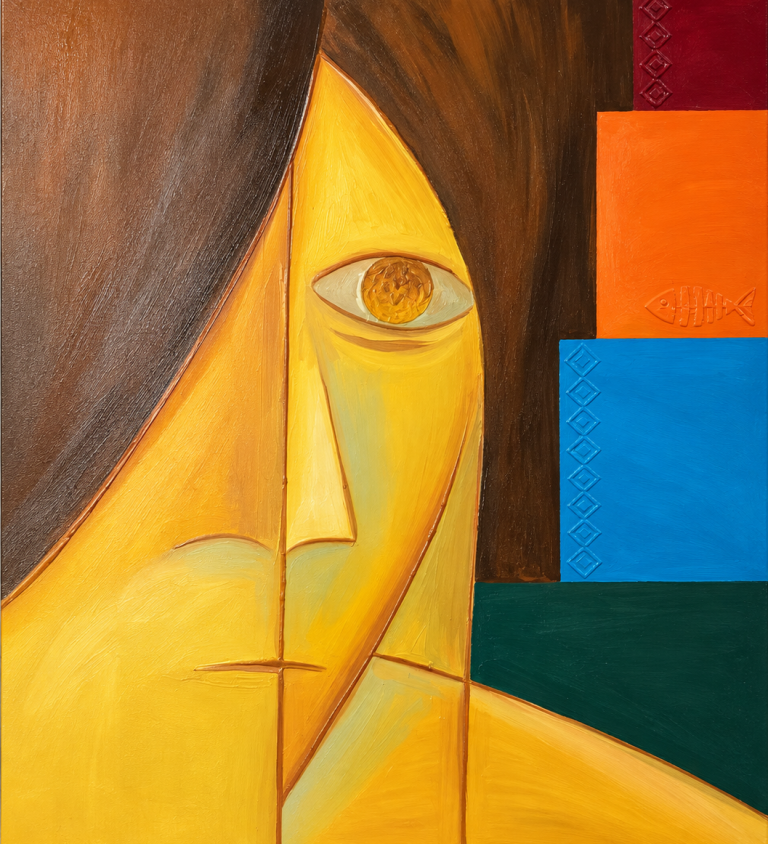
Year: 2026
Technique: Mista sobre tela
Dimensions: 100 × 80 cm
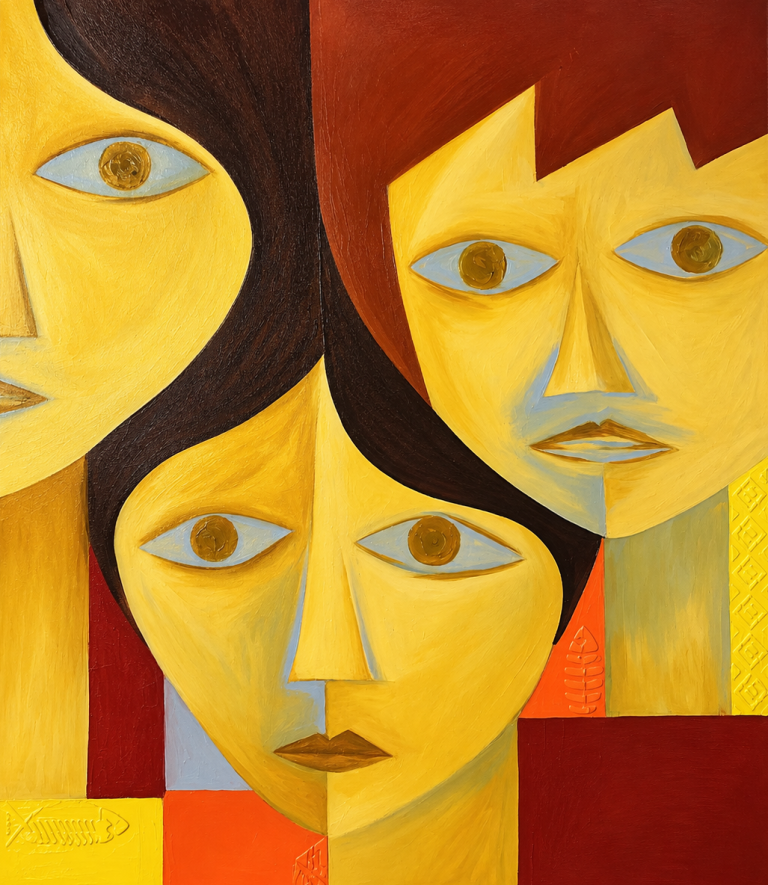
Year: 2026
Technique: Mista sobre tela
Dimensions: 100 × 80 cm
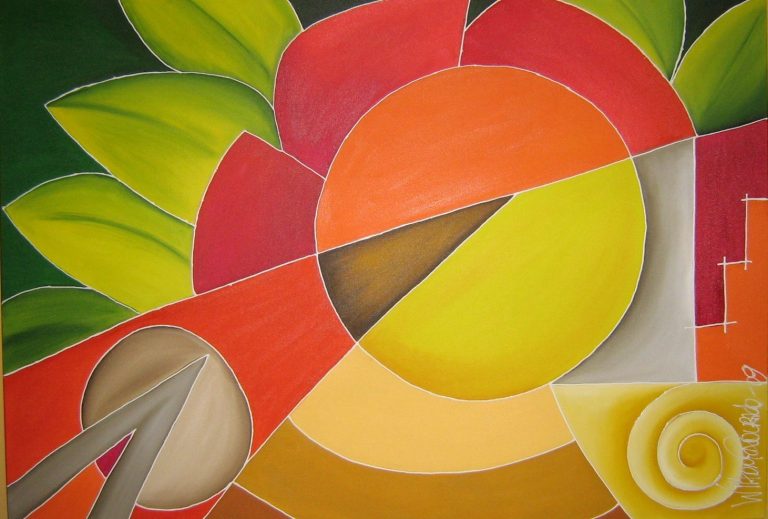
Year: 2009
Technique: Acrílica sobre tela
Dimensions: 90 × 130 cm
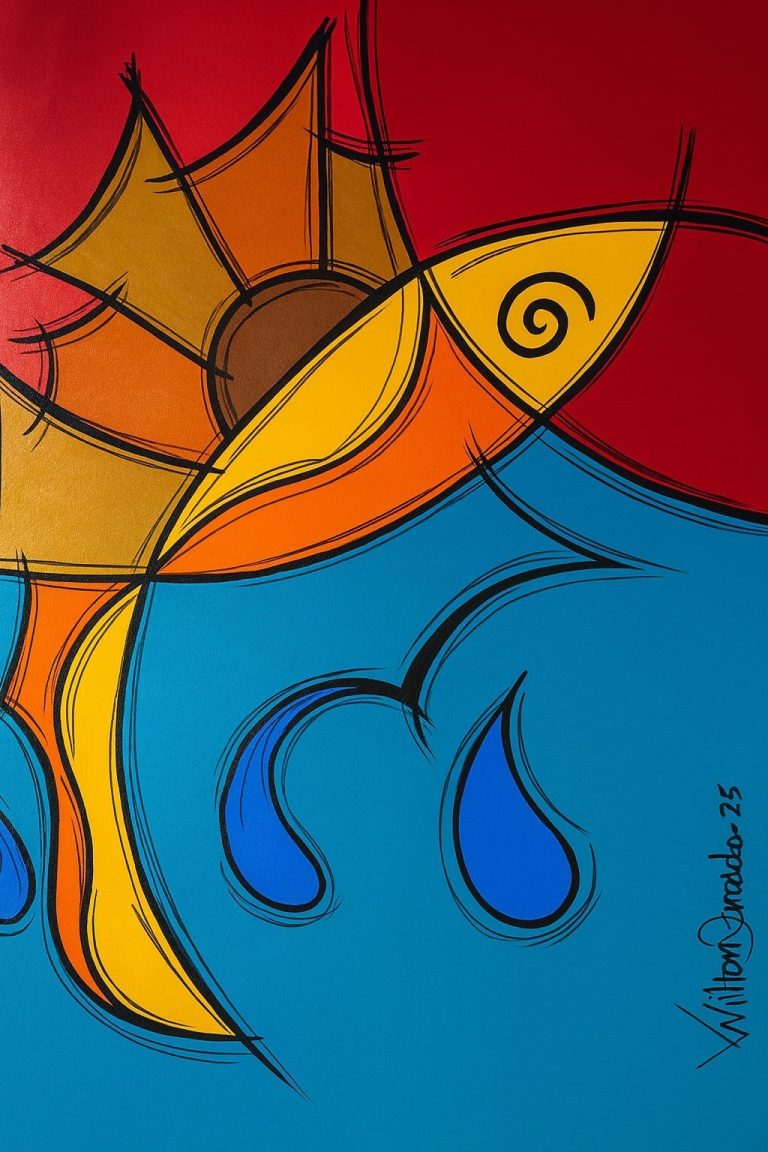
Year: 2025
Technique: Acrílica sobre tela
Dimensions: 100 × 80 cm
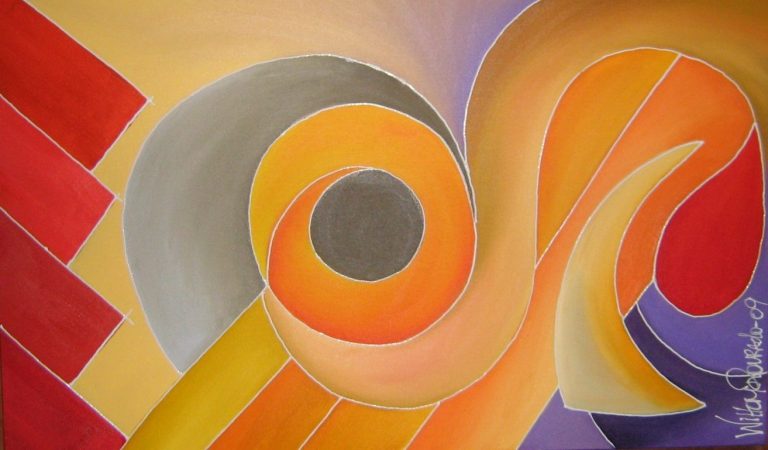
Year: 2009
Technique: Acrílica sobre tela
Dimensions: 80 × 100 cm
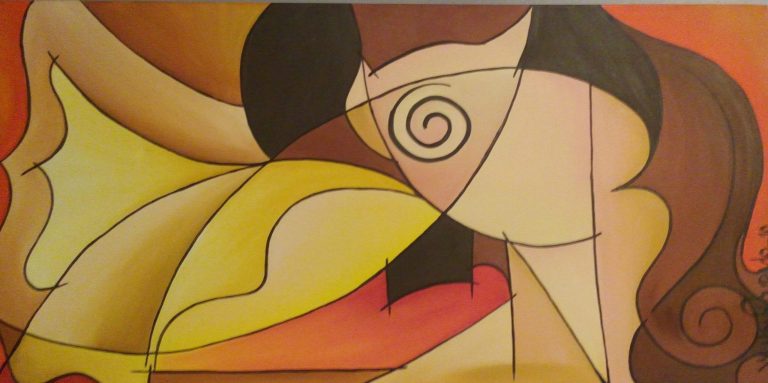
Year: 2009
Technique: Acrílica sobre tela
Dimensions: 40 × 80 cm
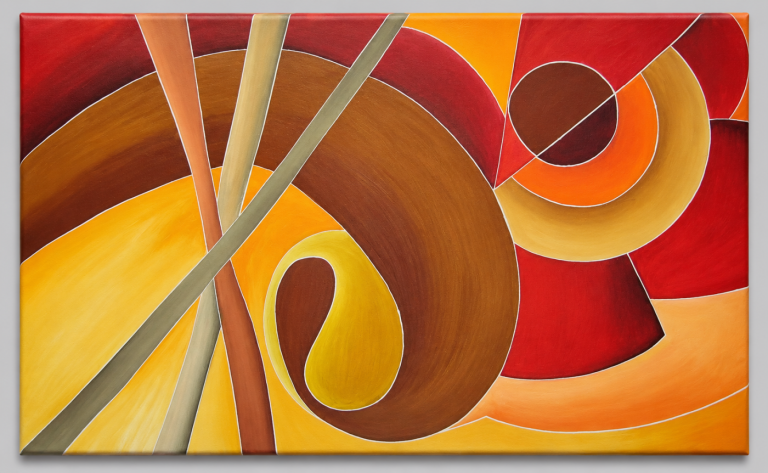
Year: 2009
Technique: Acrílica sobre tela
Dimensions: 80 × 100 cm
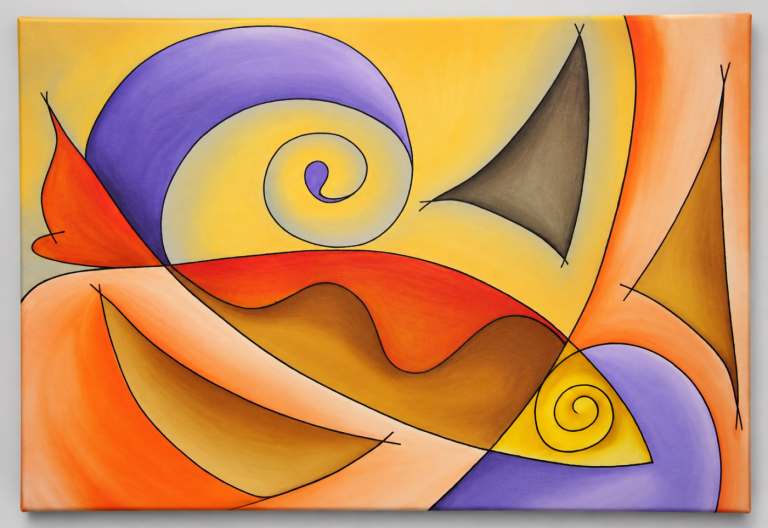
Year: 2009
Technique: Acrílica sobre tela
Dimensions: 80 × 100 cm
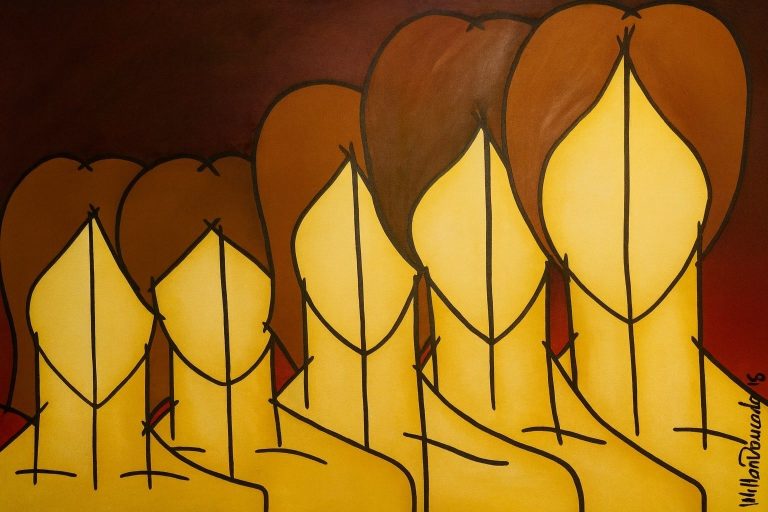
Year: 2015
Technique: Acrílica sobre tela
Dimensions: 100 × 150 cm
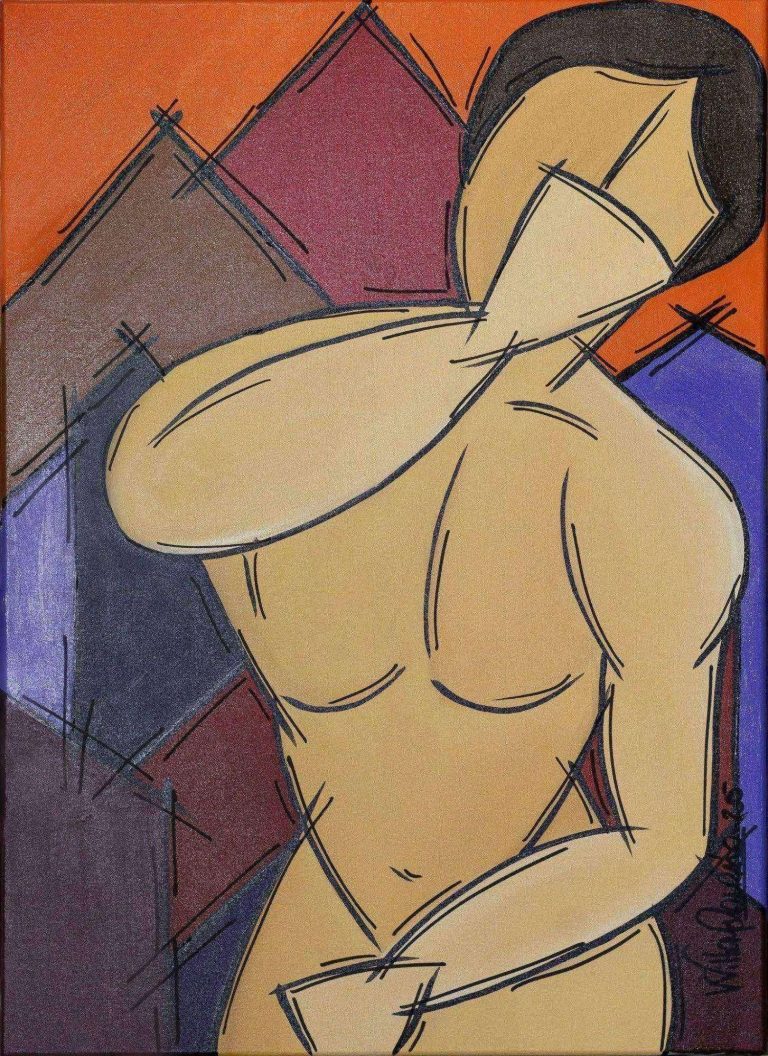
Year: 2025
Technique: Acrílica sobre tela
Dimensions: 70 × 50 cm
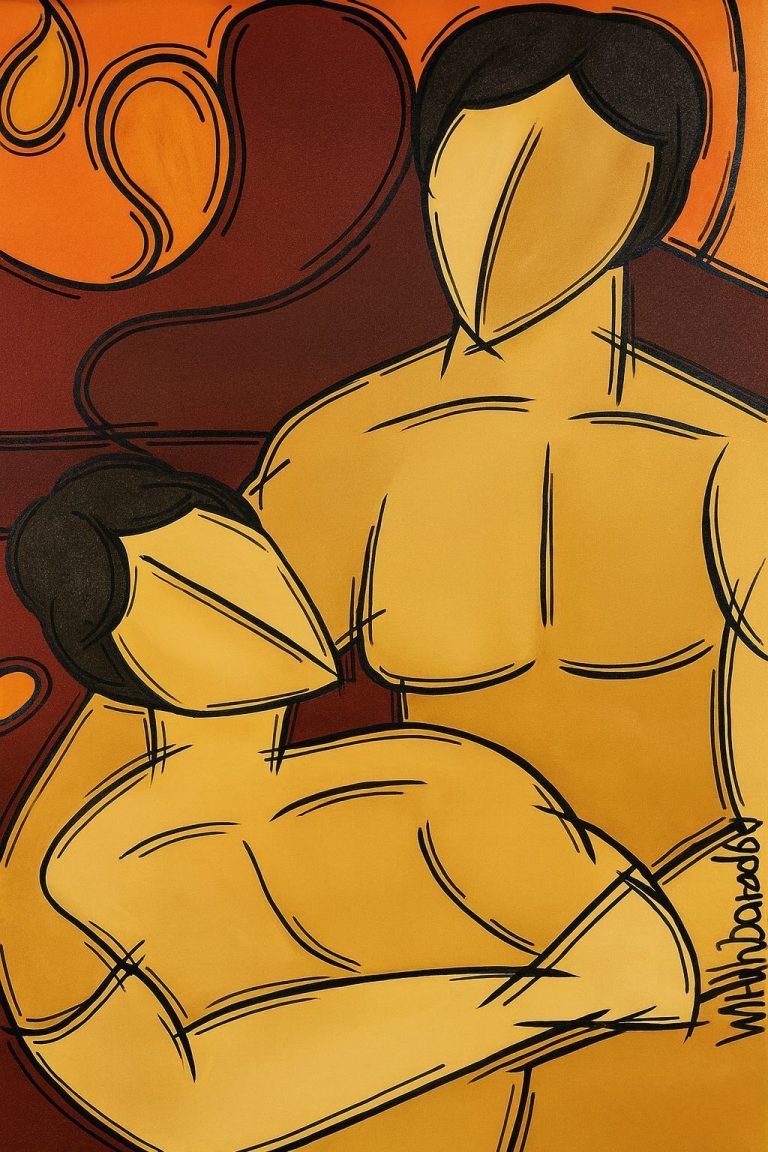
Year: 2025
Technique: Acrílica sobre tela
Dimensions: 70 × 50 cm
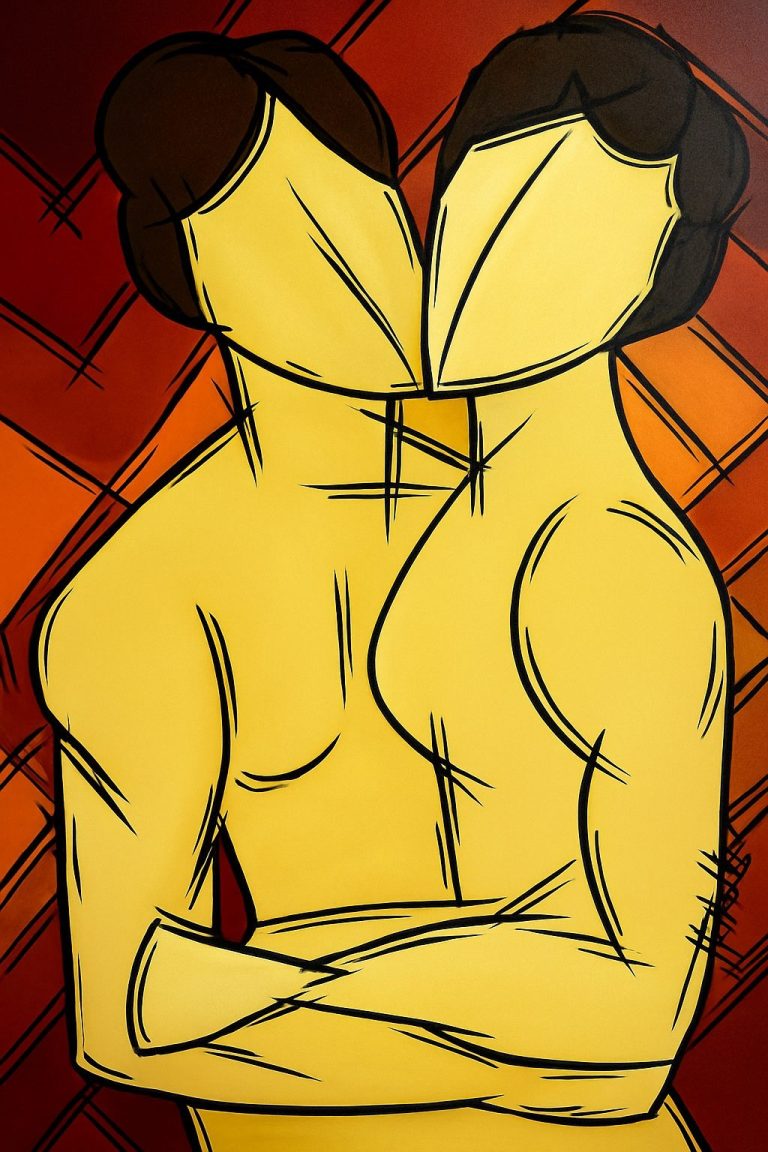
Year: 2025
Technique: Acrílica sobre tela
Dimensions: 70 × 50 cm
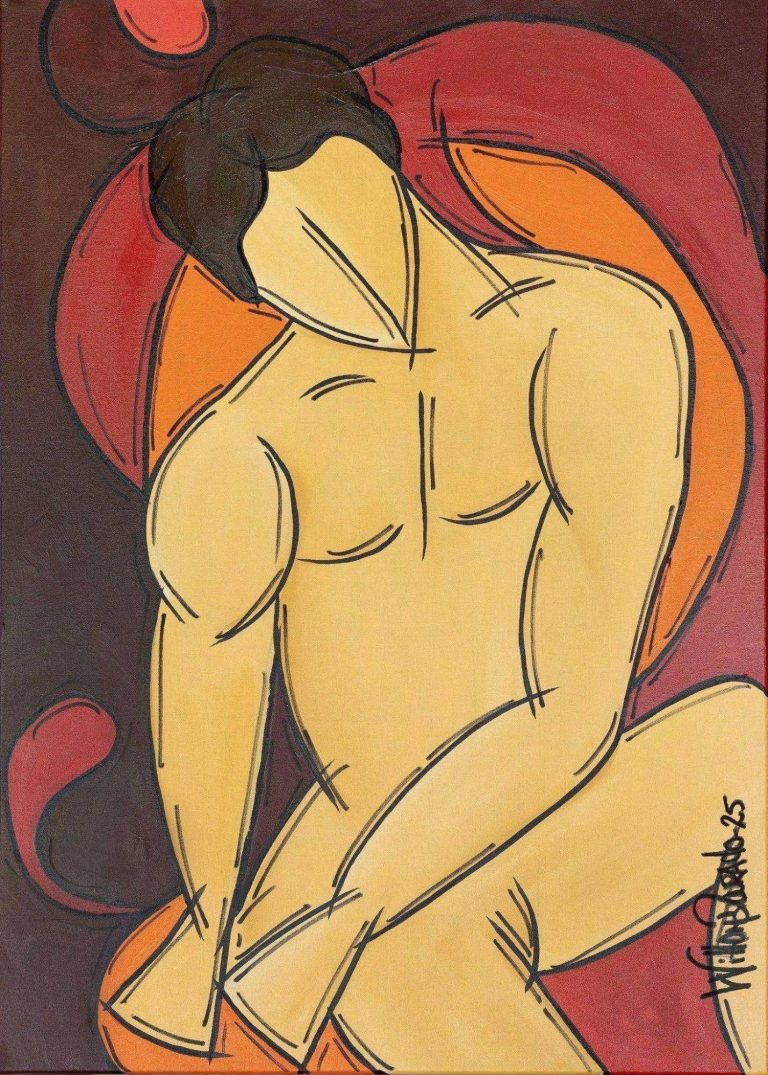
Year: 2025
Technique: Acrílica sobre tela
Dimensions: 70 × 50 cm
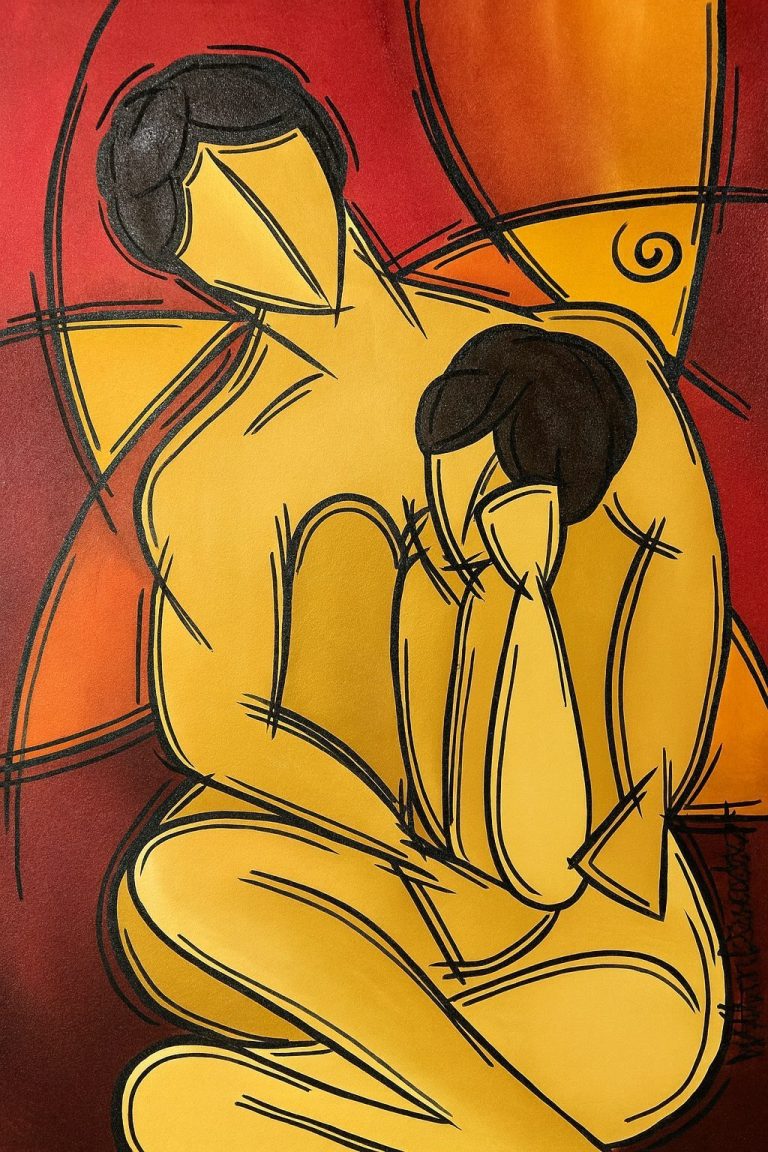
Year: 2025
Technique: Acrílica sobre tela
Dimensions: 70 × 50 cm
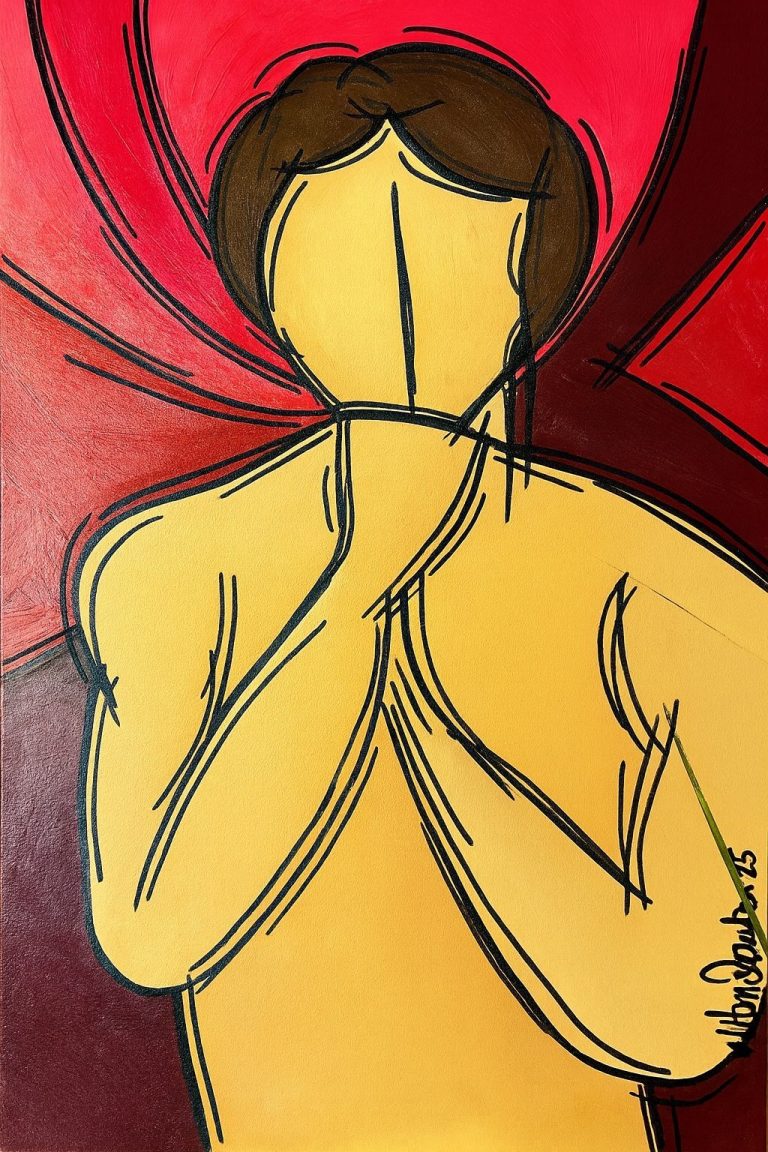
Year: 2025
Technique: Acrílica sobre tela
Dimensions: 70 × 50 cm
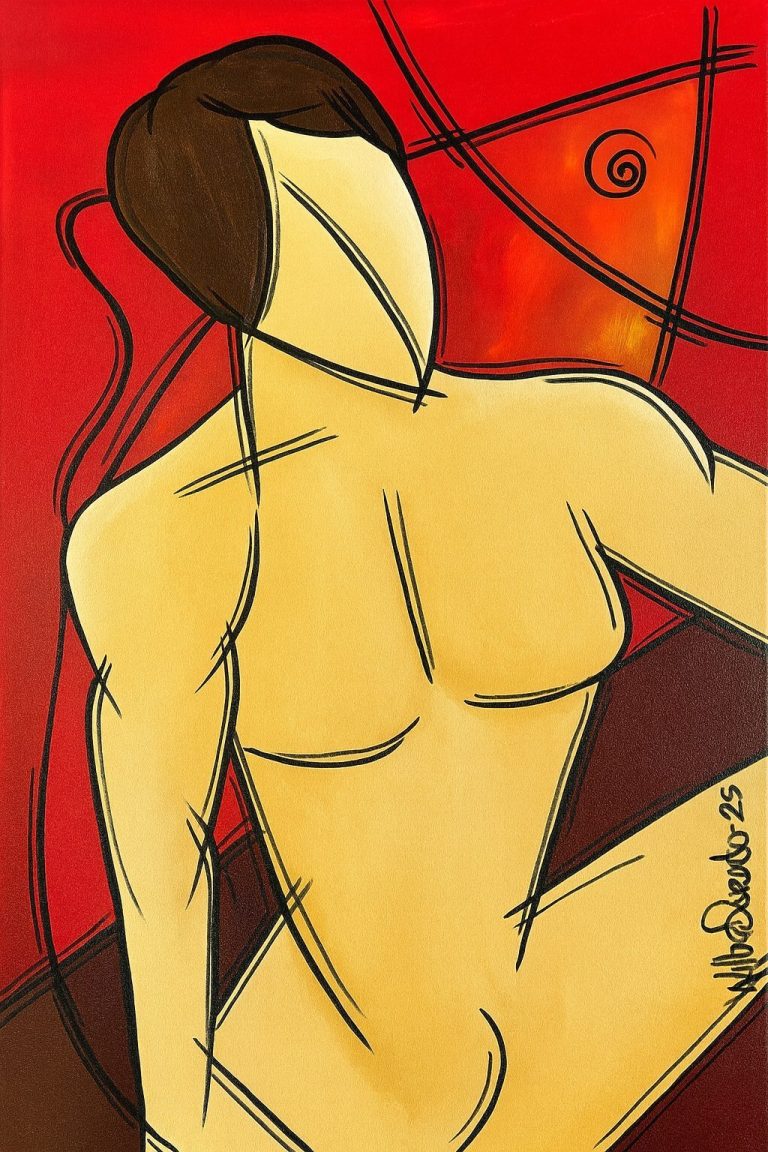
Year: 2025
Technique: Acrylic on canvas (Acrílica sobre tela)
Dimensions: 70 × 50 cm
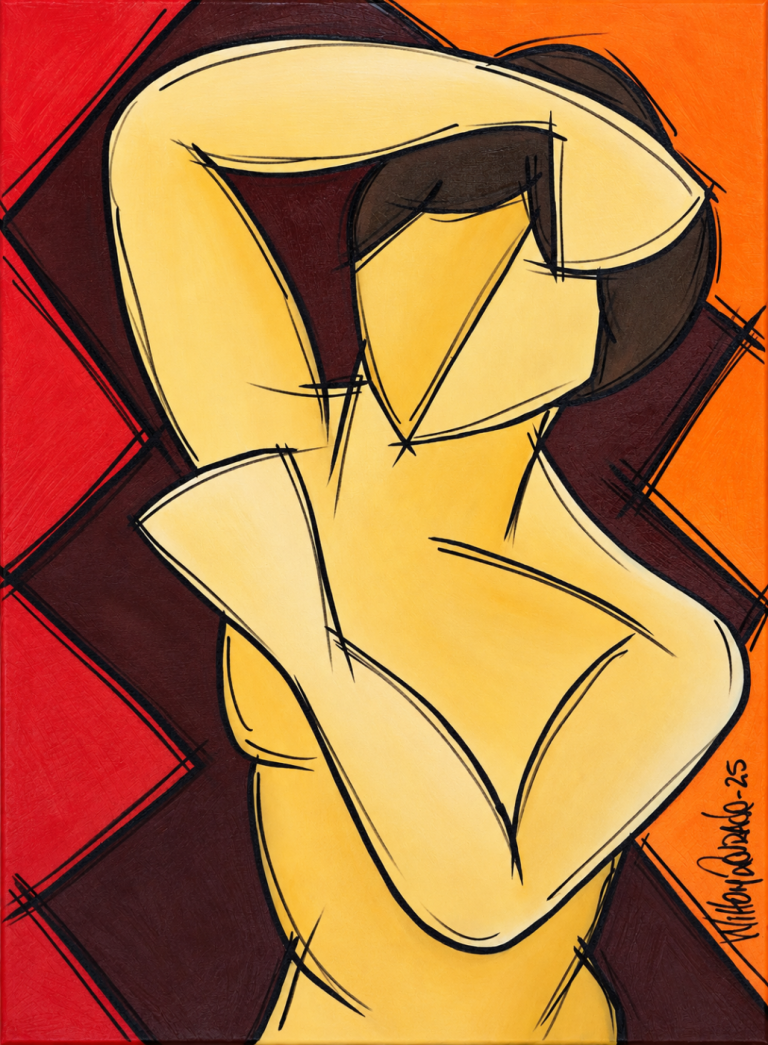
Year: 2025
Technique: Acrílica sobre tela
Dimensions: 70 × 50 cm
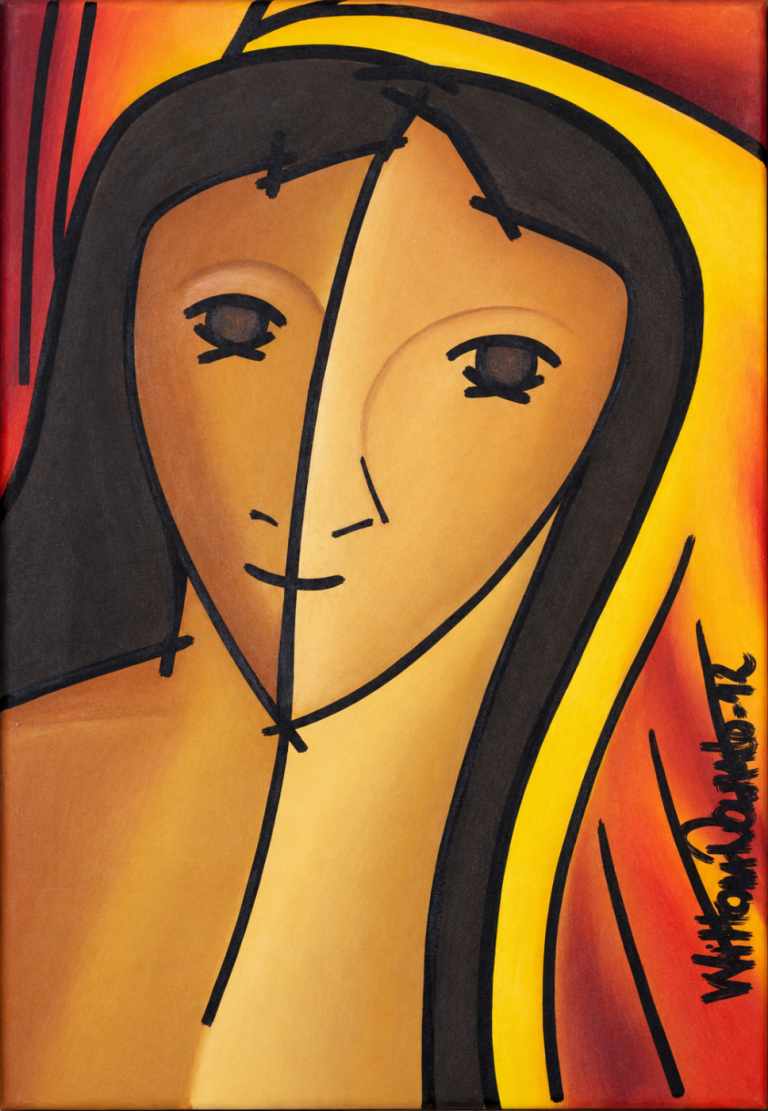
Year: 2012
Technique: Acrílica sobre tela
Dimensions: 60 × 40 cm
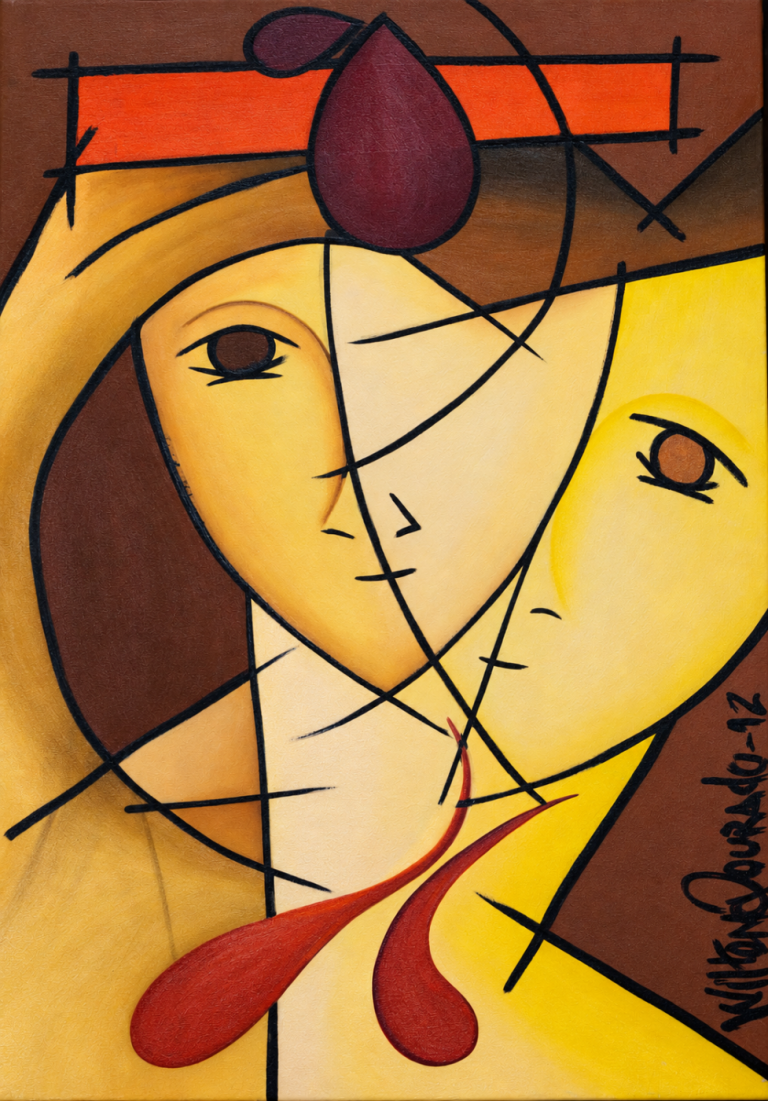
Year: 2012
Technique: Acrylic on canvas (Acrílica sobre tela)
Dimensions: 60 × 40 cm
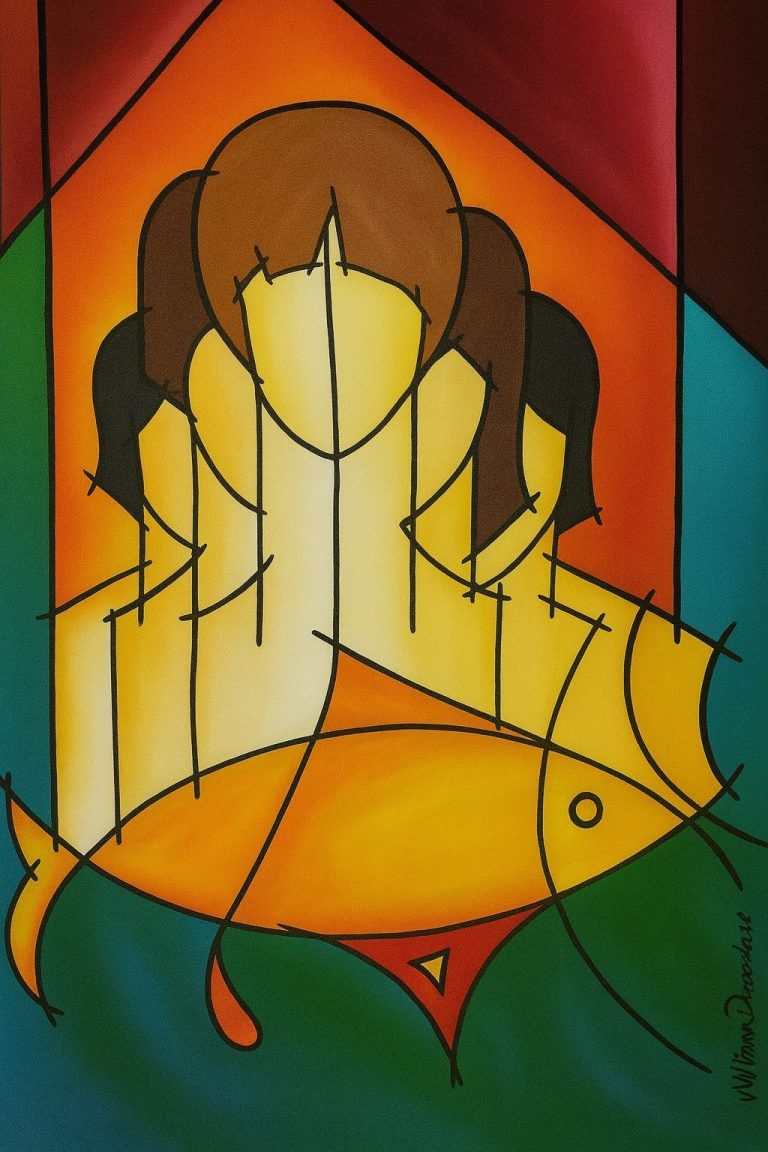
Year: 2014
Technique: Acrylic on canvas (Acrílica sobre tela)
Dimensions: 150 × 100 cm
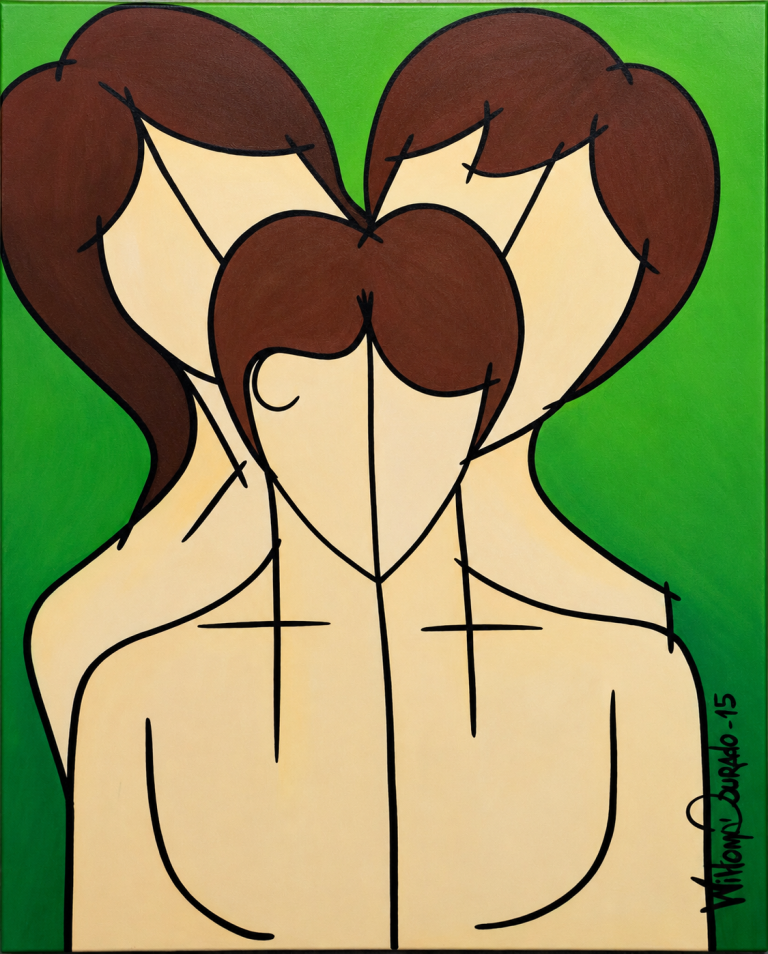
Year: 2015
Technique: Acrílica sobre tela
Dimensions: 100 × 80 cm
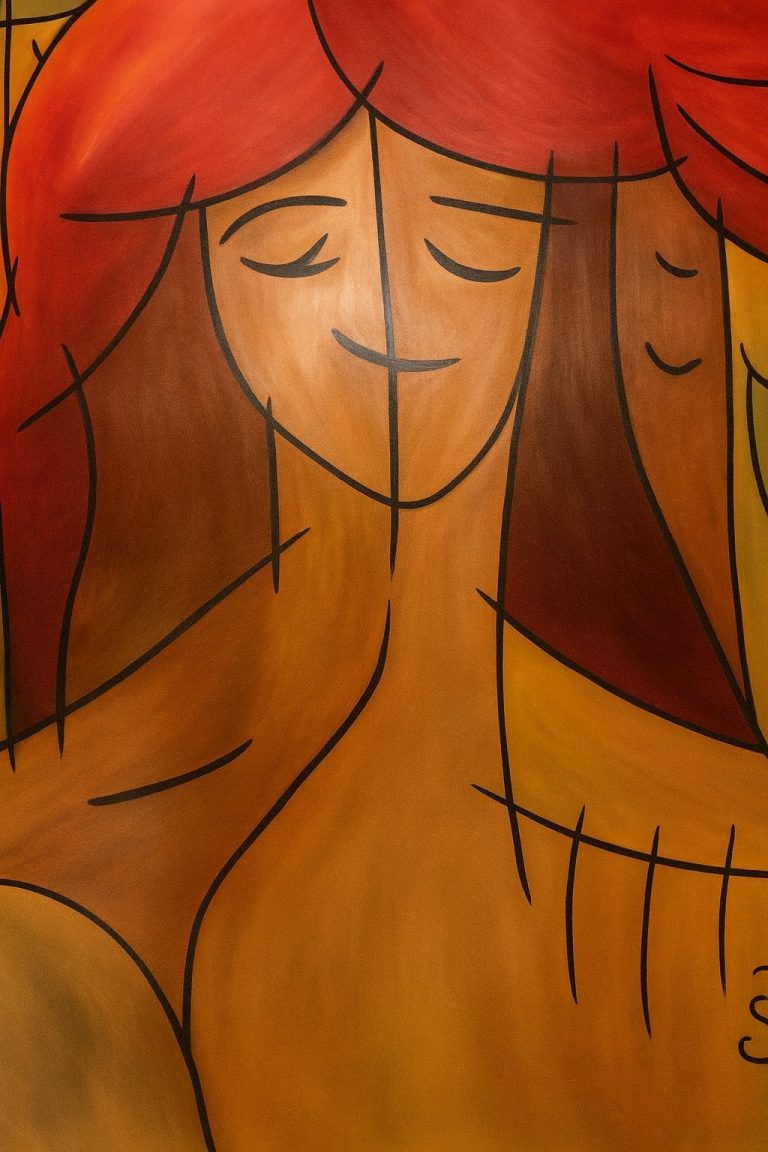
Year: 2015
Technique: Acrílica sobre MDF
Dimensions: 150 × 100 cm
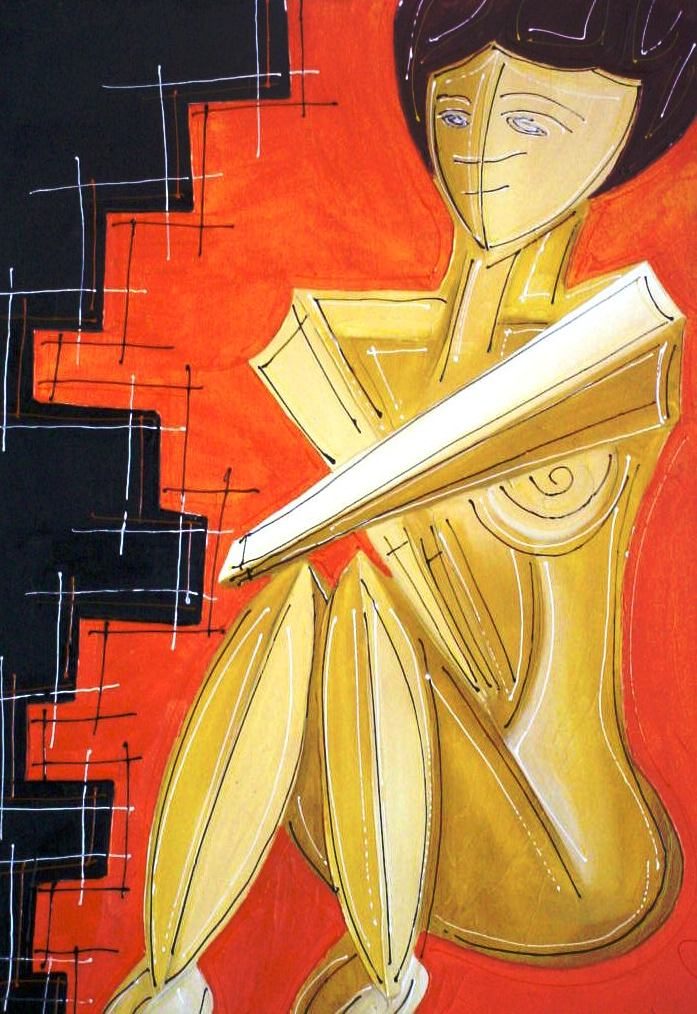
Year: 2015
Technique: Acrílica sobre tela
Dimensions: 150 × 100 cm
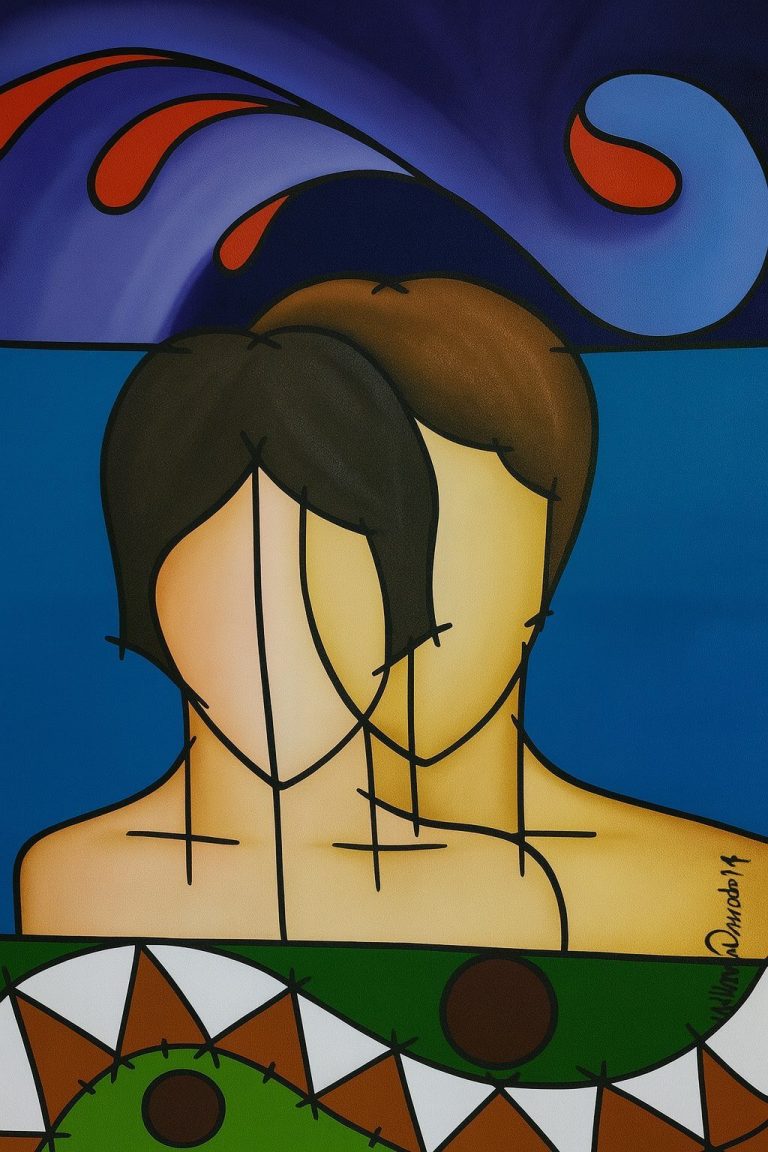
Year: 2014
Technique: Acrílica sobre tela
Dimensions: 150 × 100 cm
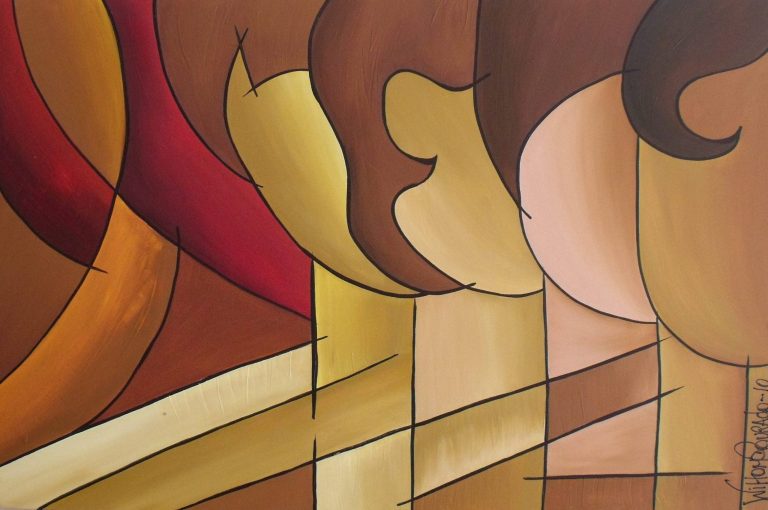
Year: 2015
Technique: Acrílica sobre tela
Dimensions: 100 × 150 cm
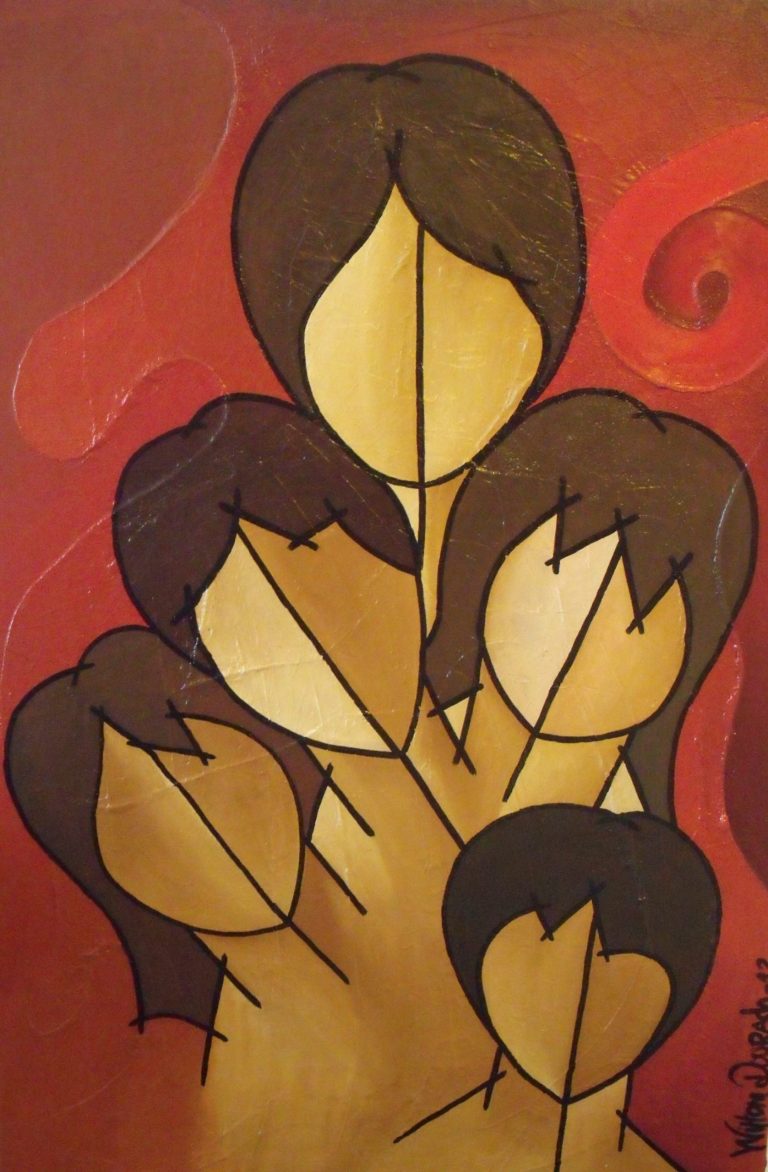
Year: 2012
Technique: Mista sobre tela
Dimensions: 150 × 100 cm