
International Art Exhibitions for Working Artists
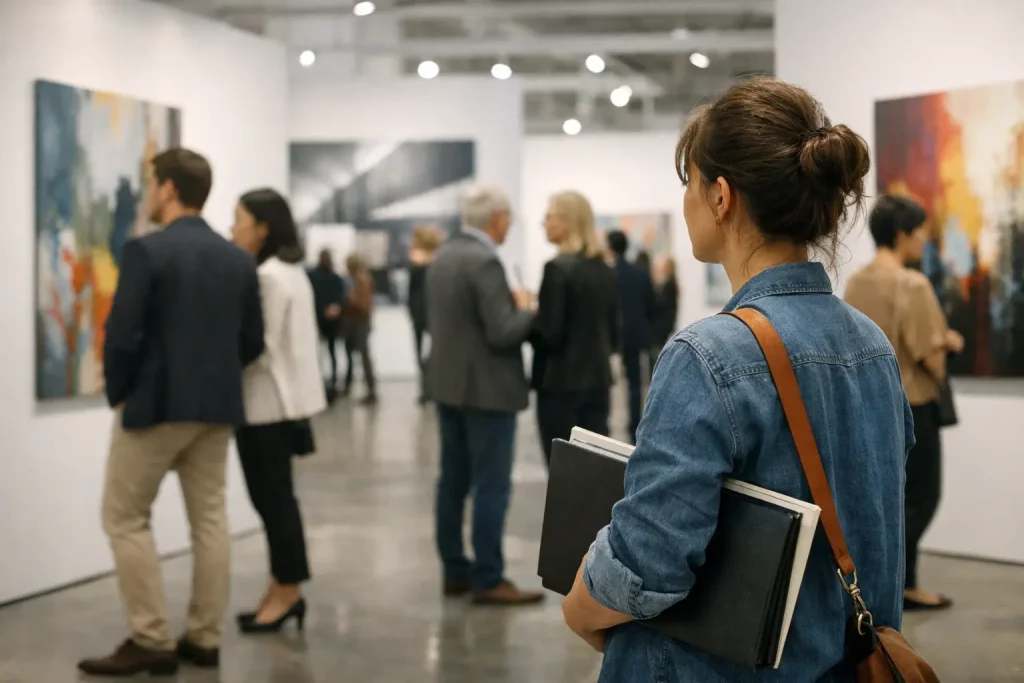
A work can be compelling in the studio and still require a different kind of preparation before it enters an unfamiliar public context. International art exhibitions place an artist’s practice beside other cultural references, professional standards, and audiences. For artists seeking sustained development beyond a local market, that shift can be meaningful, provided the opportunity is assessed with care.
Exhibiting abroad is not simply a matter of sending work to another country. It involves decisions about presentation, logistics, communication, and the relationship between a single event and a longer professional trajectory. The strongest outcomes tend to come from artists who treat each exhibition as part of an ongoing body of work rather than an isolated credential.
Why International Art Exhibitions Matter
An international exhibition changes the context in which work is read. A painting, sculpture, photograph, textile work, or digital piece carries its own visual language, but its meaning is also shaped by the conversations around it. A new audience may notice formal decisions, material references, or cultural associations that a familiar audience overlooks.
For an artist, this can be useful in practical as well as conceptual terms. International visibility can strengthen a portfolio, provide professionally documented exhibition history, and create occasions for dialogue with curators, collectors, advisors, designers, and other artists. None of these outcomes is automatic. Attendance, location, curatorial approach, presentation quality, and follow-up all affect what an exhibition can realistically contribute.
The value also depends on career stage. An emerging artist may benefit most from a well-presented first international credit and clear documentation. An artist with a more established practice may be looking for a setting that deepens a particular line of inquiry or places the work before a more relevant professional audience. The same exhibition can therefore have very different significance for different artists.
What Makes an Exhibition Opportunity Worth Considering
The name of a city alone is not enough to determine whether an opportunity is suitable. Artists should begin with the structure of the exhibition: who is organizing it, how the work will be selected, how it will be installed, and what information will accompany it. A coherent presentation gives each work a better chance of being encountered seriously.
Curatorial Fit Comes Before Geographic Reach
A project should make sense for the work itself. Review the stated theme, the visual character of the program, and the media being shown. If your practice depends on material detail, scale, sound, projection, or a specific installation condition, determine whether the exhibition format can support those requirements.
Curatorial fit does not mean that every artist in a show must work in a similar style. Often the more interesting group exhibitions create productive contrast. What matters is whether your work can retain its integrity within the proposed context and whether the framing gives viewers a credible way to understand it.
Professional Clarity Is Part of the Offer
Before committing, ask for a clear account of responsibilities. This should address submission requirements, selection, exhibition dates, artwork delivery and return, insurance, installation, photography, promotion, sales procedures, and any costs connected to participation or related services. International projects can involve shipping, customs, packing, storage, and local handling, so vague arrangements can become expensive or difficult quickly.
Artists should also understand what is being offered and what is not. An exhibition may provide visibility and documentation without promising sales, press coverage, or future invitations. A professional opportunity does not need inflated claims to be valuable. Clear terms allow artists to make decisions based on the actual relevance of the project.
Preparing Work for International Presentation
Once an exhibition is confirmed, the work must be ready to travel and to be understood without the artist being physically present. This is where a strong studio practice meets professional discipline.
Begin with accurate documentation. High-resolution images should show the work faithfully, with correct color, sufficient detail, and a consistent file structure. For sculpture, installation, textile-based work, and other dimensional practices, include multiple views where needed. Provide precise dimensions, medium, year, edition information where applicable, weight, and any special display instructions.
A concise artist statement can help, but it should not try to explain every decision in the work. The most useful text gives a reader an entry point into the practice, identifies recurring concerns or methods, and uses language that is specific rather than inflated. If a short biography is requested, keep it current and focused on relevant education, exhibitions, publications, collections, or professional milestones.
Physical preparation deserves equal attention. Frames, plinths, hanging systems, labels, and protective packing should be appropriate to the work and its route. If the piece has fragile surfaces, variable components, technical equipment, or unusual installation needs, communicate this early. A well-made condition report and clear installation notes protect both the artwork and the working relationship.
Digital works require their own level of precision. Confirm file formats, screen or projection specifications, playback duration, internet requirements, software dependencies, and whether the work can be shown offline. A digital artwork that functions perfectly in the studio may fail in an exhibition setting if its technical conditions have not been defined in advance.
Building Value After the Exhibition Ends
The exhibition should not disappear from an artist’s record when the work returns to the studio. Retain installation views, professional photographs, exhibition texts, invitations, catalog references, and any verified media coverage. Organized documentation can later support portfolio submissions, applications, conversations with curators, and communication with collectors.
Follow-up should be selective and genuine. If a curator, artist, collector, or other professional engaged meaningfully with the work, a brief, thoughtful message can continue the conversation. Avoid treating every contact as a sales lead. Long-term relationships in the art field are built through consistency, respect, and a clear sense of one’s own practice.
It is also worth reviewing the experience critically. Did the scale, installation, or audience context reveal something new about the work? Did the available documentation represent it accurately? Did the project align with the direction you want your career to take? These questions turn an exhibition into usable professional knowledge.
International Art Exhibitions and Gallery Representation
For many artists, international exhibitions are most effective when they form part of a broader representation strategy. A gallery relationship can connect exhibition activity with portfolio development, artwork presentation, communication, art fair participation, and longer-term professional visibility. The exact structure differs between galleries and representation plans, so artists should read contractual and financial terms carefully before applying or committing.
Parcus Gallery works with visual artists across contemporary practices and provides an official artist application pathway for those seeking international gallery representation. Artists considering an application should present a focused portfolio, current documentation, and work that communicates a coherent practice rather than a collection of unrelated images.
The most useful international opportunity is not necessarily the largest or most visible on paper. It is the one that gives the work an appropriate setting, strengthens the artist’s professional record, and supports the direction the practice is already moving. Choose contexts that allow the work to be seen clearly, then let consistent preparation give that visibility a lasting purpose.
Qualified artists seeking professional representation may review Parcus Gallery’s Representation & Collaboration page and introduce their work through the official application process.